Success in a 'Neu' Line of Work
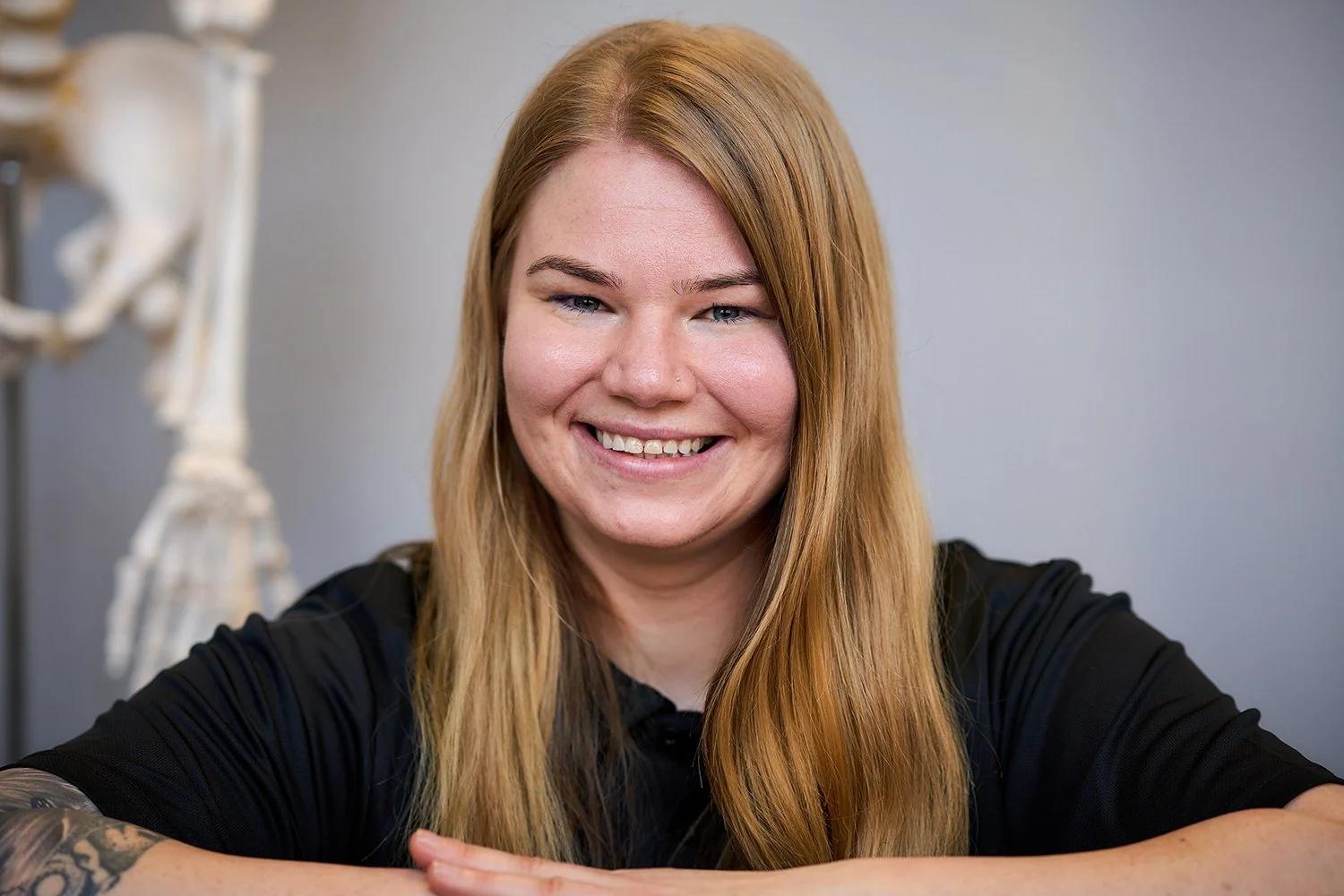
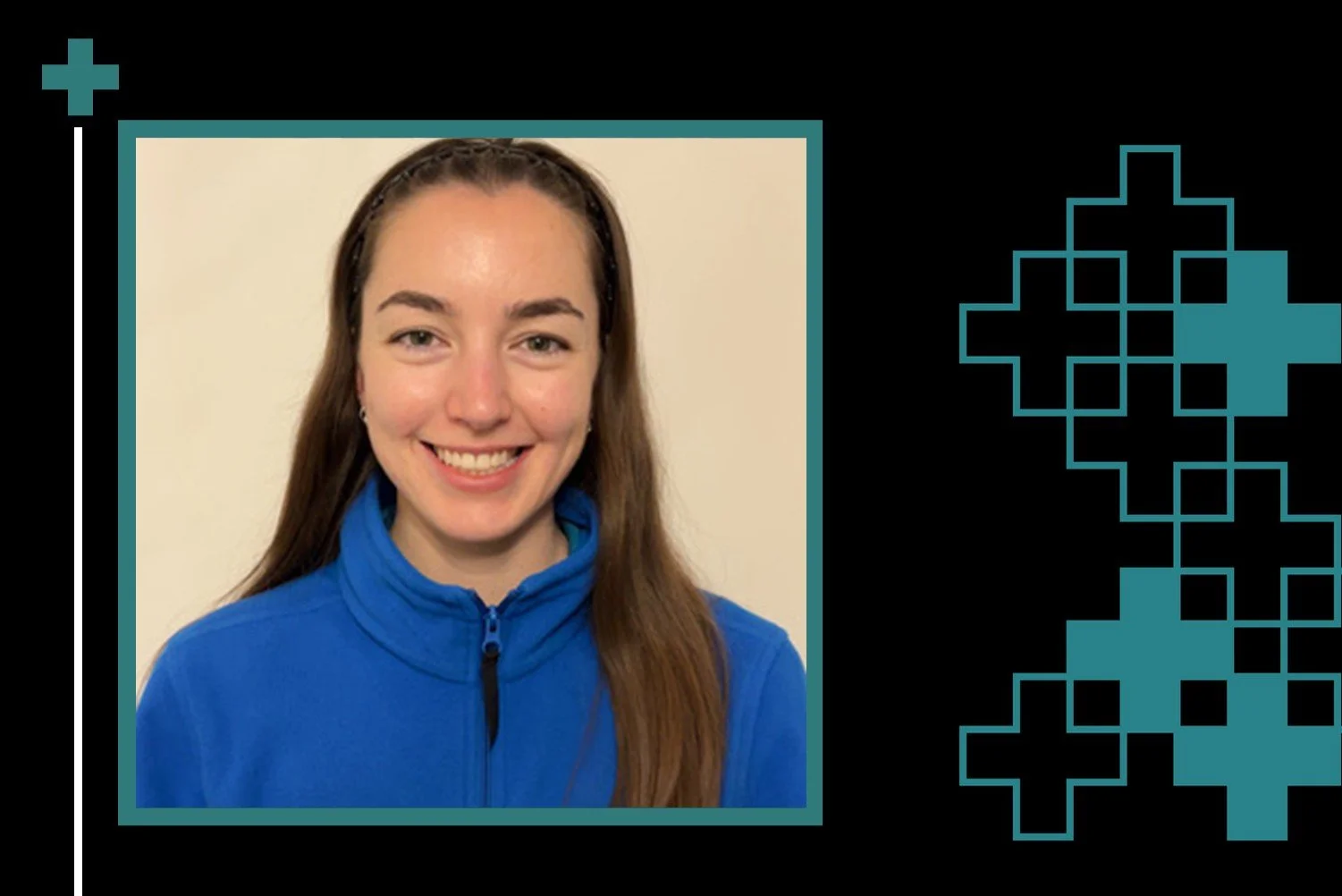
In this week’s blog, we had a chat with a Sports Therapy graduate to learn more about how she linked the new Neurorehabilitation module on the BSc (Hons) Sports Therapy and Rehabilitation to her new career. Lauren was among the first UHI students to complete this new module and now works successfully in a role directly related to this field.
Dr Daniel Biggs, Sports Therapy and Rehabilitation Programme Leader, explained: “I developed this module to introduce a completely new area of rehabilitation, and Lauren’s success demonstrates not only the impact of the module but also how our degree is actively helping graduates secure specialised employment and progress into emerging areas of practice.”
Lauren shared her experience 👇
During my final year studying Sports Therapy and Rehabilitation, one of the most valuable modules I completed was Neurorehabilitation in Sports Therapy. At the time, I didn’t realise how much it would influence my career path, but now, working full-time as a Neuro Coach at Simpson Physiotherapy, I can see just how much of a difference the module made to the way I work and think as a therapist.
Learning in the classroom and clinic
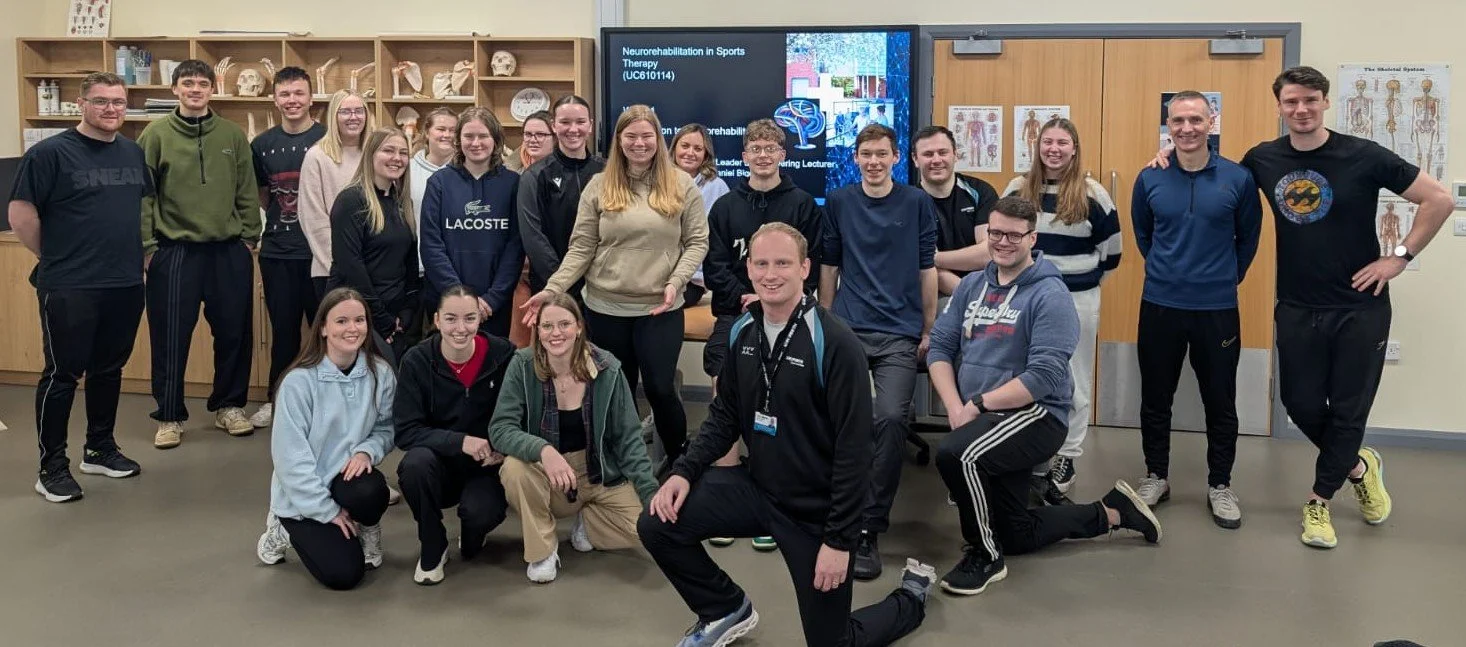
The Neurorehabilitation in Sports Therapy module is the first of its kind within a Sports Therapy and Rehabilitation degree in the UK, and it offered an incredible blend of theory and practical application and learning. We explored a range of neurological conditions, including Alzheimer’s disease, Multiple Sclerosis, Parkinson’s disease, Motor Neurone Disease, Cerebral Palsy, concussion, and stroke. We also covered vestibular rehabilitation for conditions like vertigo and art-based therapy that can assist in trauma-related conditions.
A big focus of the module was on neuroplasticity, the brain’s ability to rewire and adapt. One of the most memorable experiences for me was a “Neuroplasticity Stations” class, where we rotated through a series of activities designed to engage different aspects of brain function. One station focused on exercise, where we completed a HIIT circuit of 30 seconds work followed by 30 seconds rest. Another centred around cognitive training, involving brain games, one task being trying to copy a Korean sentence, mine was “행복하세요!”, which translates to “Be happy!”. We also explored nutrition and social interaction, where we got to enjoy healthy snacks and chat to one another. This hands-on experience helped me truly understand what neuroplasticity looks like in practice and how many elements of daily life can influence it.
The module also placed strong emphasis on clinical reasoning, outcome measures, and rehabilitation planning. We learned to use tests such as the Romberg Test, Timed Up and Go, Tinetti Balance and Gait Assessment, and the Berg Balance Scale during the module, some of which I have since used in my professional role at Simpson Physiotherapy during our PD Warrior outcome measures day. Simpson Physiotherapy gave me the opportunity to carry out the PD Warrior Level 1 training, which I have now completed. It is a specialist programme for people with Parkinson’s disease.
A day in practice at Simpson Physiotherapy
Now, as a Neuro Coach at Simpson Physiotherapy, my role involves working with clients who have neurological conditions such as stroke, Parkinson’s disease, thalidomide-related impairments, and who struggle with balance and falls. Each day, I drive to clients’ homes across the Greater Glasgow region, working one-to-one to deliver highly individualised treatment sessions. A typical day involves seeing four to five clients, combining walking practice, strength and balance exercises, mobility work, and manual therapy interventions.
The knowledge and skills I gained from the Neurorehabilitation module come into play every single working day. My understanding of neuroplasticity, rehabilitation planning, and psychological factors helps me adapt my approach to each individual while working alongside our incredible team of neuro-physiotherapists to deliver person-centred care. My background research into stroke during the module has also been invaluable. I carried out my main module assignment on stroke rehabilitation, which meant I learned in depth about the different types of stroke and how they can affect each person. This knowledge now helps me understand the reasoning behind each client’s rehab plan and tailor my support to their specific needs.
UHI Perth is incredibly lucky to have a Neurorehabilitation module as part of the Sports Therapy and Rehabilitation course; it’s such a valuable learning experience that truly opens your mind to new possibilities and career opportunities. I’d really encourage students to throw themselves into it. A big thank you also to Dr. Daniel Biggs, without his hard work and passion, this module wouldn’t have been created. And to Fraser Simpson at Simpson Physiotherapy, for recognising the value that Sports Therapists can bring to neurorehabilitation and giving us the opportunity to grow and move the sports therapy industry.